Most STEM programs hand kids a screen. We hand them a soldering iron.
Forge exists because the most useful parts of engineering — working with your hands, real tools, real materials, real mistakes — have quietly disappeared from how kids grow up. We brought them back.
Started by an engineer who'd rather kids build than scroll.
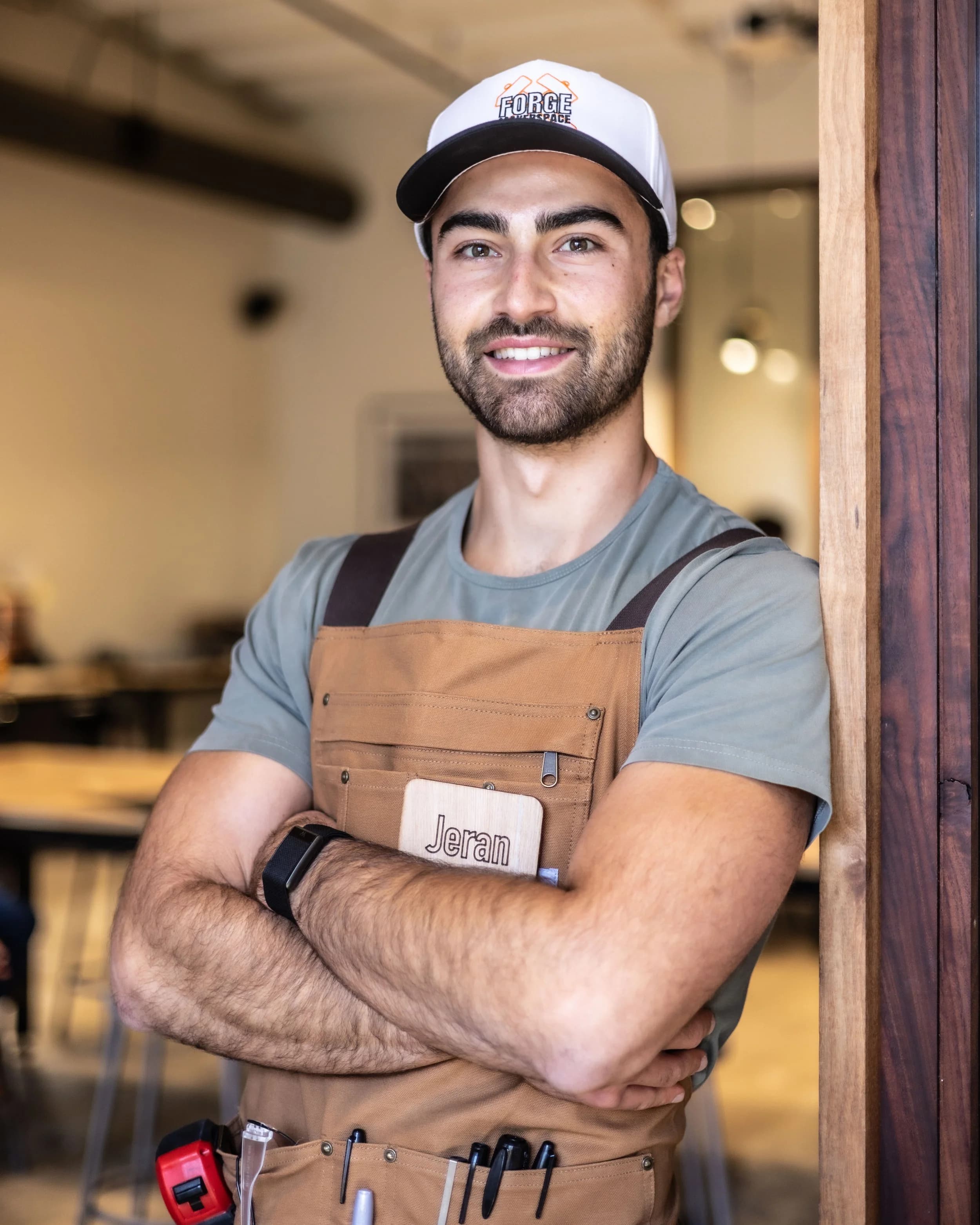
Jeran Bruce is an engineer who spent more than nine years working with kids and teenagers before opening Forge. He kept running into the same gap: kids were curious, capable, and dying to make real things — but almost nowhere let them actually pick up the tools.
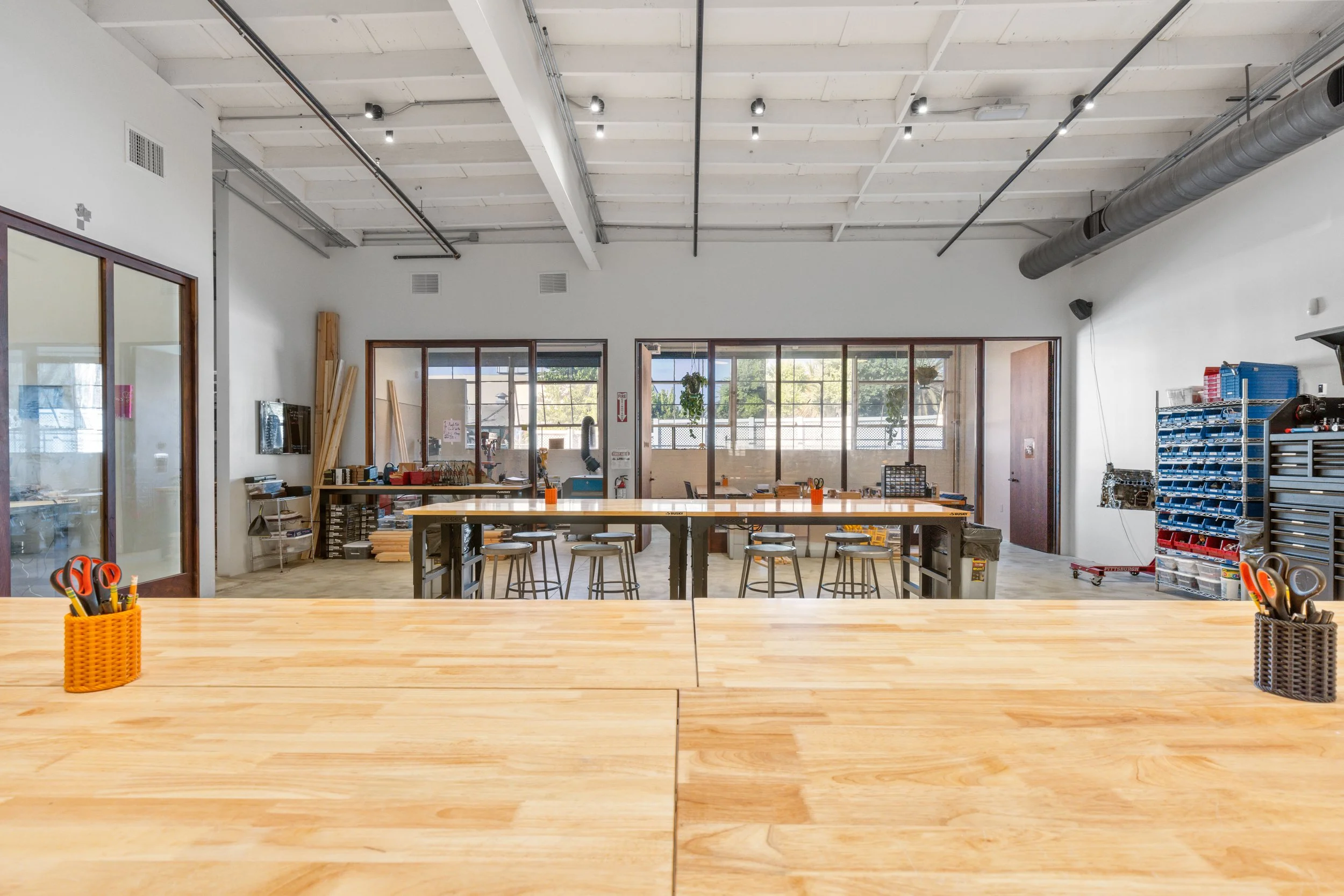
So he built the place he wished existed. A real workshop, with real machines, where the whole point is that kids do the work themselves — and learn they're more capable than anyone told them.
“The goal is simple: make it easy, fun, and safe for kids to start doing real engineering at a young age.”
Screens are easy to find. A real workshop isn't.
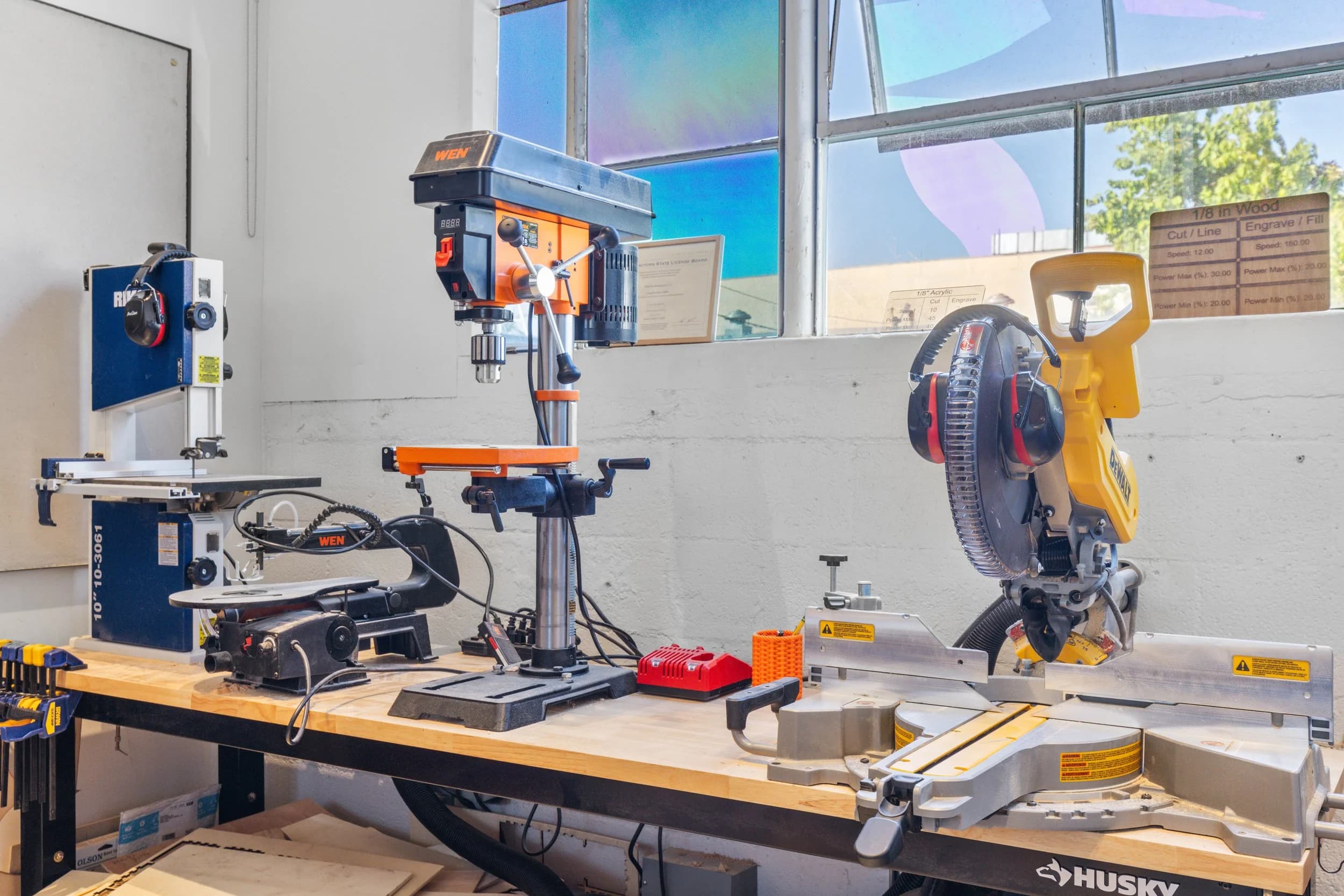
Most enrichment teaches engineering through an app or a kit with one right answer. At Forge, kids design on real CAD, cut on real saws, solder real circuits, and 3D-print what they invent. They measure twice. They mess up. They fix it. That's the part that actually builds an engineer.
Five core principles.
They're the difference between a kid who finished a kit and a kid who can actually engineer. Every Forge class is held to all five.
Students learn by building and doing.
Kids learn skills by doing real hands-on engineering projects. They learn a first-principles approach to problem solving.
Students learn accountability.
When kids make a mistake, they fix it themselves. When kids make a mess, they clean it up themselves.
Students are taught to be self-reliant.
Kids attempt something hard before asking for help. They learn to locate the materials and tools they need. They learn life skills like perseverance and grit.
Students are clean and organized.
Kids are responsible for keeping their space clean and organized, cleaning up after themselves, and maintaining the workshop.
Students master skills.
Kids develop such competence and confidence in their skills that, over time, they become second nature. Kids are empowered to teach others.
Every instructor is CPR-certified and First-Aid trained.
Real tools come with real responsibility. Safety instruction comes first, every single day, before anyone touches a machine.
The best way to get it is to see it.
Come walk the workshop in Santa Monica. Twenty minutes, no commitment — just see what it feels like.